Graphic Medicine Tutorial, Fall 2026

The term graphic medicine refers to the interaction between the medium of comics and the discourse of health, illness, disability, and caregiving. For nearly two decades, health humanities scholars, artists, researchers, patients, and families have collaborated to explore how comics can improve communication, care, and, potentially, clinical outcomes. In this tutorial, students will read, analyze, and create comics to engage with this nascent field. No experience with comics or drawing are required.
Zoom link: For classes that will meet online, this Zoom link can be used.
Readings: The readings for this course will be provided, either as an online link or in class. No books are required for purchase. Any other books that will be mentioned or excerpted in the course can be found here.
Supplies: This course will utilize basic drawing skills and focus primarily on analog techniques. Minimal supplies are required, such as pencils, a dark black pen, paper, ruler, and an eraser. Coloring supplies (crayons, colored pencils, markers) are welcome but not absolutely necessary.
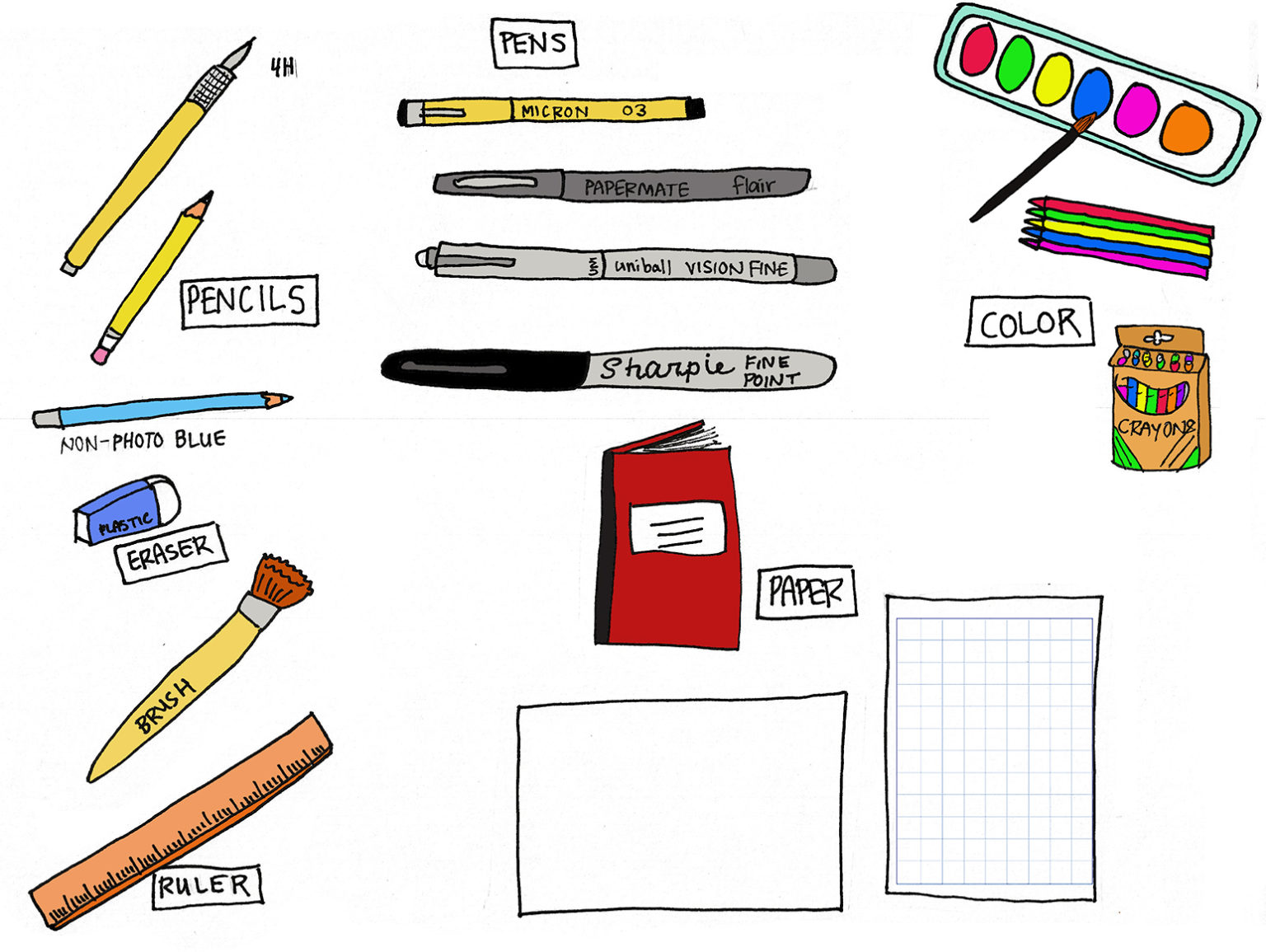
Tutorial Overview:
-
Session one: Introductions, 10/ 9, 4pm CT – on Zoom.
-
to one another
-
to comics
-
to graphic medicine
-
-
Session Two: Comics and Health Education, 10/14, 5pm CT
-
Session Three: Research and Comics, 10/23, 1pm CT
-
Session Four: Health Advocacy with Graphic Medicine, 10/30, 1pm CT
-
Session Five: Graphic Bioethics, 11/02, 5pm CT
Session 1: Introduction to Comics & Graphic Medicine
To do: Read the Introduction to Graphic Medicine Manifesto, available here

and watch the following brief video:
Session 2: Comics and Health Education
Class prep:
Create your avatar! Watch this video for one fun way to start
Read the following examples of comics for health education:
“Vaccinated at the Ball” by Josh Neufeld
“A Tale of Two Pandemics” by Josh Neufeld
Let’s Talk About It: A Graphic Guide to Mental Health
Three Nines Fine: A Journey with Brain Health
Read this journal article:
“Are Comic Books Appropriate Health Education Formats to Offer Older Adult Patients?” and check out the work of the article’s authors, Gary Ashwal and Alex Thomas, aka Booster Shot Media:
Consider a topic on which you would like to create a health education comic.
Come prepared to discuss how you would approach this topic, perhaps a few thumbnail images, or even a few comic panels.

Session 3: Comics and Health Research
Class prep:

Read Chapter 5 of Research Methods in the Health Humanities: Comics
Session 4: Comics and Health Advocacy
Preparation:
Homework from last week:


Chapter 7 of Making Nonfiction Comics mentioned above is here.

Advocacy Comics, if you are able to get to them:
- A Patient Called Sam: Communicating with Patients Who Have Nonbinary Gender Identities by Khorizon Dunn
- Black Mothers Face Far Worse Health Outcomes How Do We Fix It? by Whit Taylor
- African-Americans are More Likely to Distrust the Medical System, Blame the Tuskegee Experiment by Whit Taylor
- Medicine’s Women Problem by Aubrey Hirsch
Session 5: Graphic Bioethics and Seminar Wrap Up
Preparation:
Read Mom’s Cancer by Brian Fies

Review these two Graphic bioethics projects by Booster Shot Media:
And this ethics case study comic I did for a forthcoming book: 
Other stuff mentioned in class:
More of Aubrey Hirsch’s women’s health advocacy comics
More of Whit Taylor’s public health comics
and her forthcoming book, The Greater Good
Nathan Gray, palliative care doctor and cartoonist
this week’s LA Times editorial comic, “Do Doctors Really Choose to Die Differently?”
his new book, The Human Remains


The Four Panel Emergency Comic:

If I’ve forgotten any links you would like, please email me.